


You post a laptop on a classifieds site. A buyer messages from two time zones away, ready to pay in bitcoin. You hesitate. Is this worth the trouble, or should you stick to local pickup only?
Cross-border sales open up a much larger pool of buyers, but not everything makes sense to ship. Some items travel well. Others cost more to send than they are worth, or arrive damaged, or get stuck in customs paperwork. Knowing the difference saves time and avoids frustration on both sides.
Weight and size decide half the battle
Shipping costs scale fast. A graphics card fits in a small box and weighs under a kilogram. A desktop computer tower is bulky, fragile and expensive to send. A mechanical keyboard is borderline: compact models work, full-size boards with metal cases push the limits.
Think about the ratio between the item's value and the cost to ship it. A watch worth three hundred dollars can travel in a padded envelope for ten. A chair worth the same amount might cost fifty to pack and send, and still arrive with a broken leg.
Digital goods and remote services have zero shipping cost, which makes them naturals for international listings. Freelance work, design files, software licenses and online tutoring all cross borders without customs forms or tracking numbers.
Durability matters more when a package travels far
Local pickup means you hand over the item and see it working. Shipping means the buyer opens a box days later, alone, with no way to ask questions in person. Fragile items multiply the risk.
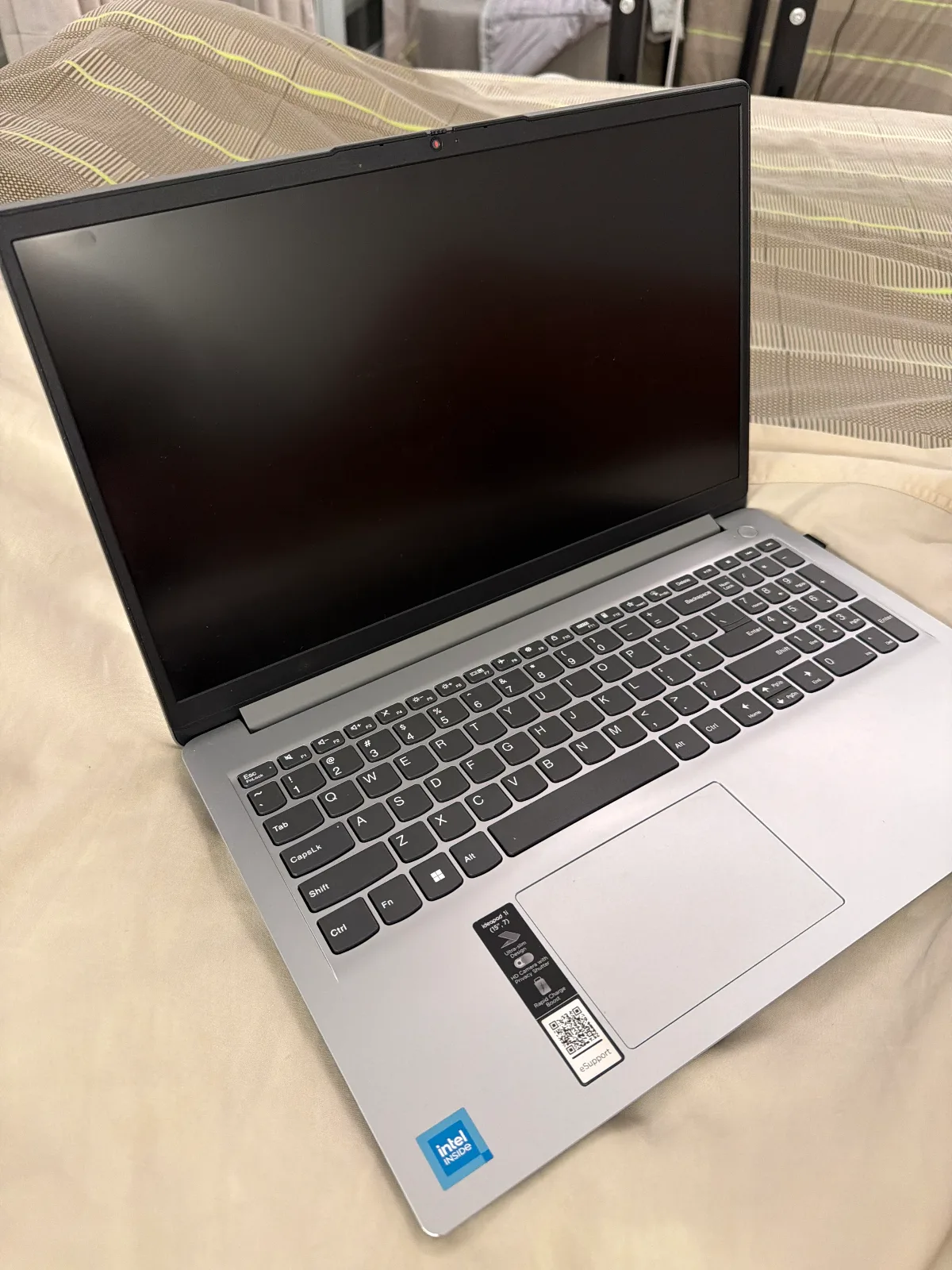
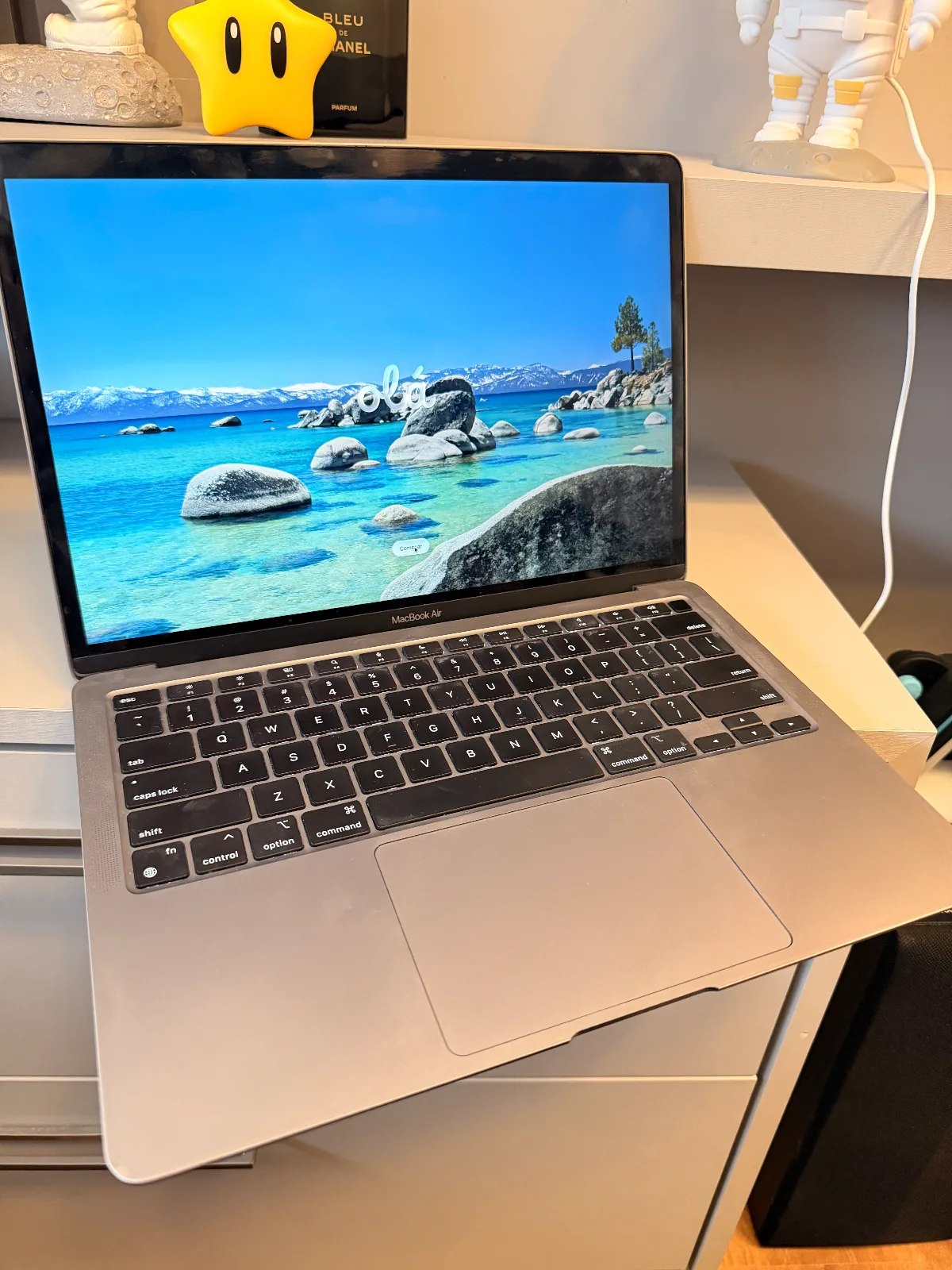
Phones and tablets survive if packed well. Laptops do too, as long as the screen is protected. Vintage electronics with delicate switches or loose parts are harder. Anything with glass needs serious padding and a firm box, and even then it is a gamble.
Clothing and accessories travel easily, but sizing becomes a problem. A T-shirt that does not fit is a nuisance locally and a headache internationally. Watches, jewelry and small leather goods work better because sizing matters less or the buyer already knows what they need.
Availability and price differences create the real opportunity
The best candidates for cross-border listings are items that are hard to find in the buyer's region or much cheaper where you are. A graphics card that sells for twice the price in another market makes sense to ship. A generic USB cable does not.
Computers and parts move across borders because specifications matter more than brand loyalty, and because enthusiasts know exactly what they want. The same logic applies to watches, camera lenses and musical instruments. Buyers do their research and pay for the exact model, even if it ships from another continent.
Regional exclusives also travel well. A game console variant released only in Asia, a book edition unavailable in Europe, a clothing brand that does not ship to certain countries. If someone cannot buy it locally, they will pay for international shipping and wait.
Customs and paperwork vary wildly by category
Electronics usually clear customs without drama, though buyers may face import duties depending on local rules. Used items often get more lenient treatment than new ones, which is one reason second-hand listings work internationally.
Batteries complicate everything. Lithium-ion cells have restrictions with most carriers, and some countries ban them outright in certain shipments. A laptop with a built-in battery is usually fine. A box of loose power tool batteries is not.
Anything organic, liquid or perishable is a poor fit for cross-border sales. So is anything that requires certification, like medical devices or radio transmitters. If the category makes you think about regulations, it probably is not worth the effort.
How to signal that your listing travels well
Start by stating clearly in the description whether you are willing to ship internationally. Mention the item's weight and dimensions so buyers can estimate their own shipping costs if they want to use a forwarder.
Include close-up photos of the item from all sides, especially any serial numbers, labels or condition issues. International buyers cannot inspect in person, so they rely on images more than local ones do.
On Anyza Market you can list in any category and specify your location. Buyers filter by what they need, and if your item is rare or well-priced, distance stops being a barrier. Because payment happens wallet-to-wallet in crypto, there are no currency conversion fees or cross-border payment headaches.
When local-only makes more sense
Some items simply belong to local listings. Furniture, large appliances and anything too cheap to justify shipping costs. Perishables, plants and anything legally restricted. Items that need a test drive or a try-on.
If you are unsure, think about whether you would buy the same item internationally if you were the buyer. If the answer is no, keep the listing local and save everyone the trouble.
Pick the right category, describe the item honestly and let the audience find you. Cross-border sales work when the item is worth the wait and the price makes sense after shipping. Everything else is better sold around the corner.
















Comments