


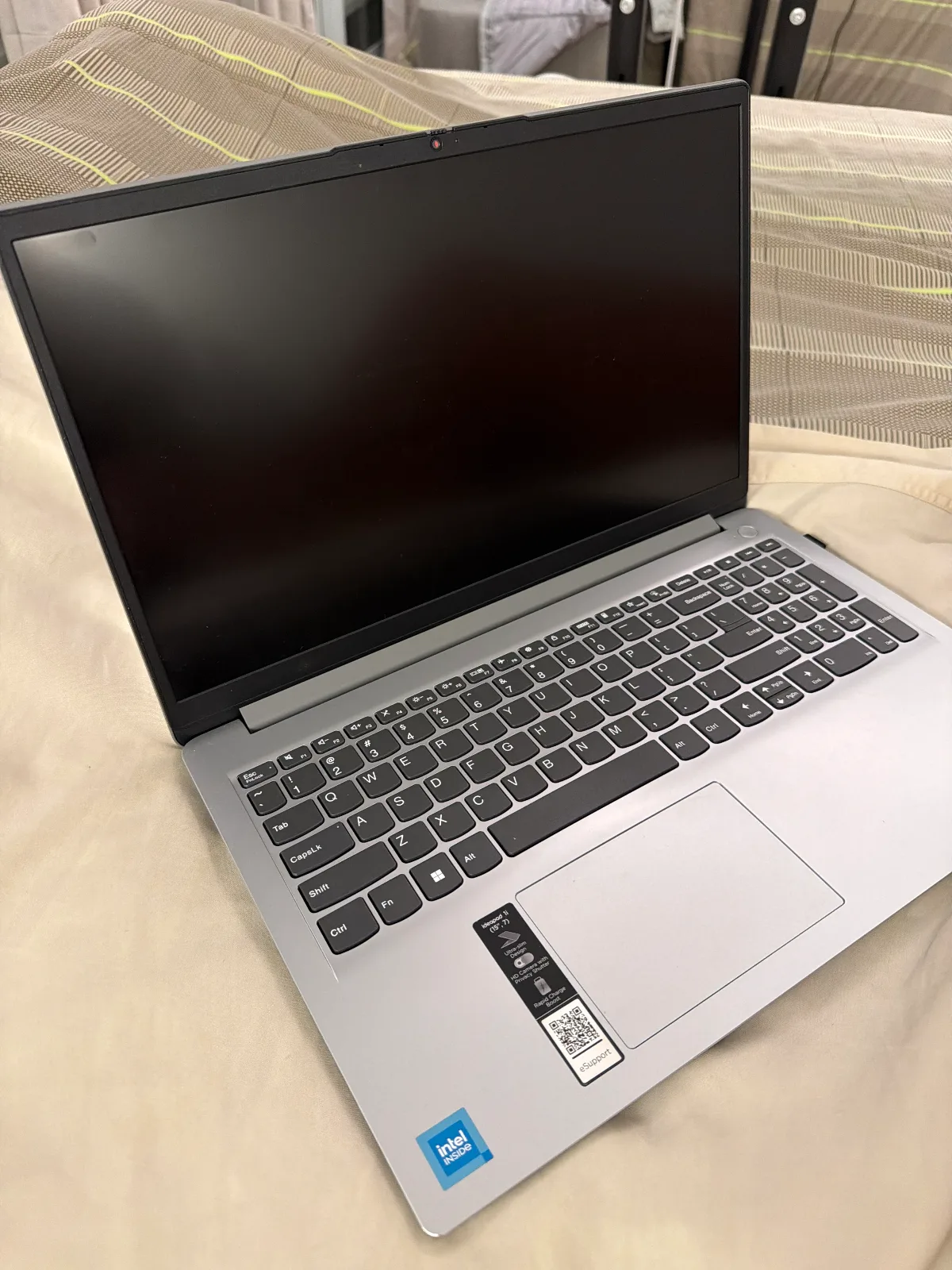
You post a laptop for sale. Within an hour, someone messages you. They sound interested, but something feels slightly off about the way they write. Should you keep talking or move on?
Classifieds work because strangers can find each other quickly. That speed also means you need to make fast judgments about people you have never met. Most buyers and sellers are honest, but a few are not. The difference usually shows up in the first few messages if you know what to look for.
Messages that try to rush you
Someone who wants to close the deal in the first message is not necessarily a scammer, but urgency is a tool scammers use. They ask you to move the conversation off the platform immediately, or they offer to pay extra if you ship today. Real buyers ask questions about condition, size, compatibility. They want to know if the item actually fits their needs before they commit.
If a message feels like a script, it probably is. Generic lines like "Is this still available? I am very interested and ready to pay now" can come from bots or people running the same approach on dozens of listings. A genuine question about the product is a better sign than enthusiasm without detail.
Asking for personal information too soon
You will need to share some details eventually—an address for pickup, a phone number to coordinate timing. But if someone asks for your full name, phone number, or home address in the first message, pause. There is no reason they need that yet.
The same applies to payment. If a buyer asks for your bank details or wants you to click a link to "verify your account," stop. Crypto payments do not need your personal information. You share a wallet address, they send the coins, and the transaction is visible on the blockchain. No forms, no account logins, no third party holding funds.
Offers that do not match the listing
You list a phone for a fixed price. Someone offers half and says they can pick it up tonight. Low offers are not necessarily a warning sign, but they do tell you the person is testing boundaries. You can counter, accept, or ignore. What matters is whether they respect your response.
More concerning is when someone agrees to your price instantly and then tries to change the terms. They say they will pay after they test the item, or they want you to ship first and they will pay on delivery. Once you agree to one thing and they ask for another, you are negotiating from a weaker position. It is easier to say no early than to back out later.
Meeting in person or shipping
If you are selling locally, meet in a public place. A cafe, a train station, a shopping center. Somewhere with other people around and no pressure to hurry. If the buyer suggests meeting at your home or theirs, suggest a neutral spot instead. Most people understand why.
For items that ship, the risks shift. You send the item, and you trust the buyer has sent payment. With crypto, you can see the transaction on the blockchain before you pack the box. If the coins are in your wallet, you can ship. If they are not, you wait. Do not let anyone convince you to send first and "trust" them.
On Anyza Market, payments go directly to your wallet, so you know exactly when you have been paid. There is no escrow, no delayed payout. Once the transaction confirms, the money is yours.
Reputation and new accounts
Some platforms let you see how long someone has been a member or how many transactions they have completed. A brand-new account is not a red flag by itself—everyone starts somewhere—but it does mean you have less information. Ask more questions, take your time, and do not assume good intent just because someone is polite.
If you are the new seller, expect buyers to be cautious with you too. Answer questions clearly, post good photos, and be willing to meet in a public place or use a payment method that leaves a record. Building trust takes a few transactions, but it starts with being straightforward.
When to walk away
If something feels wrong, you do not need to justify it. You do not owe anyone an explanation. Stop replying, block the contact, and move on to the next inquiry. Legitimate buyers will not pressure you, guilt you, or make you feel uncomfortable.
The same applies if you are buying. If a seller will not answer basic questions, changes details, or insists on a payment method that feels risky, find another listing. There are always more items, and your time is worth more than a deal that makes you uneasy.
Most transactions go smoothly. You agree on a price, arrange payment, and both sides walk away satisfied. The few that do not usually give you clues early. Trust those clues, and do not talk yourself out of what you notice.
Before you list your next item or message a seller, decide what your boundaries are. What payment methods will you accept? Where will you meet? What happens if the buyer wants to negotiate after you agree? Knowing your answers in advance makes it easier to spot when someone is pushing past them.




Comments